Lenten Resources

Lent often starts in the middle of mid-terms and when the most difficult assignments are due. This year, we mark Lent at a time of global instability and the stripping of rights for many people. The practice of giving something up can seem like an added burden during an anxious or stressful time, but Lent can also be a seaon to try a new spiritual practice like daily prayer or meditation. 

The following are some resources for you this season. Be blessed.

Lenten Lord of the Rings

A reading plan and daily reflection based on reading through the Lord of the Rings over Lent. Good Friday alligns with Frodo’s ascent of Mount Doom. (Free)
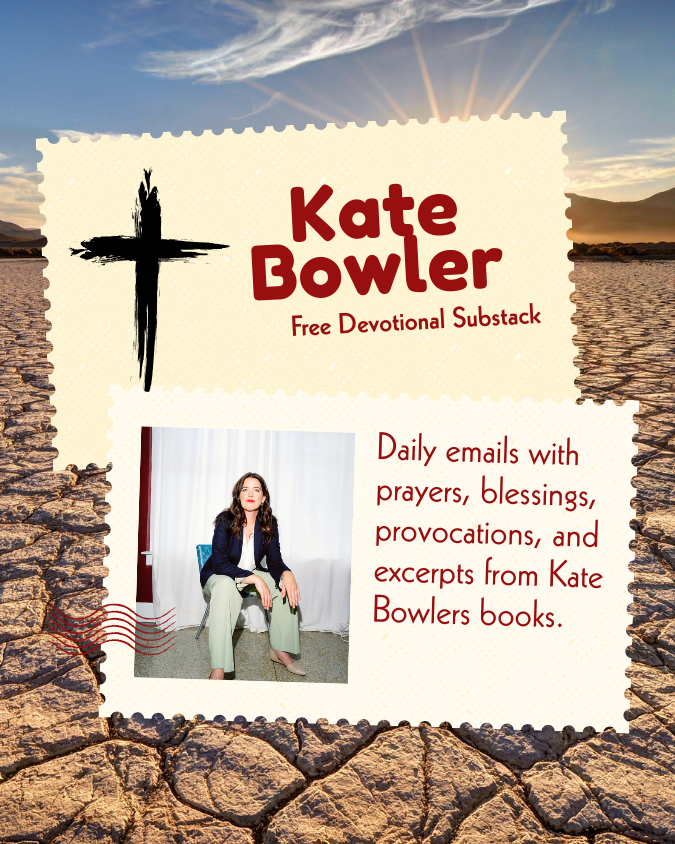
Kate Bowler

GCF staff favourite Kate Bowler offers her Lenten devotional through Substack. Sign up through her website. (Free)
Ignatian Workout for Lent

Discover Ignation practices each Monday when Tim Muldoon shares audio reflections and suggestions for prayer and action throughout the week. (Free)

Seeking God’s Face

This “daily office prayer and devotional  posted daily to the Seeking God’s Face blog, takes excerpts from the book of the same name by author Phil Renders, who recently spoke at GCF about his work with the Habitus Community. (Blog – free; Book – paid) 

Life Stories (Madeline L’Engle)

This downloadable resource from the SALT project is a 40 day devotional featuring biblical passages alongside excerpts of her memoir Circle of quiet. (Paid)

Wild Paths of Peace 

This free resource from Alongside Hope (An Anglican organization) can come as a daily email or you can download the entire resources as a pdf. (Free)
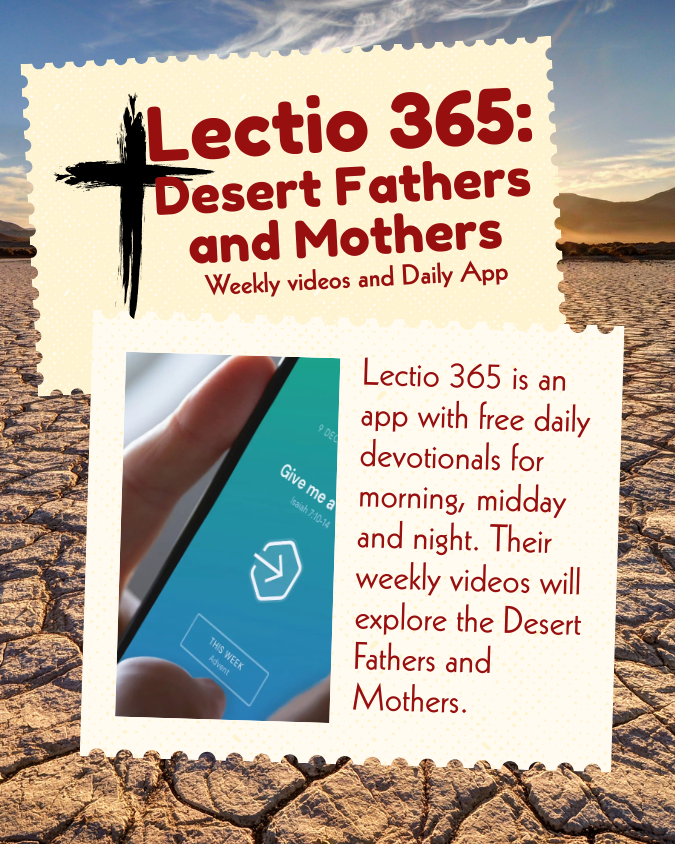
Lectio 365: Desert Fathers and Mothers

Lectio 365 is a free daily prayer app. The Lent 2026 morning prayers are inspired by the Desert Fathers and Mothers, entering into themes of discipleship, spiritual rhythms, and practices. (Free)
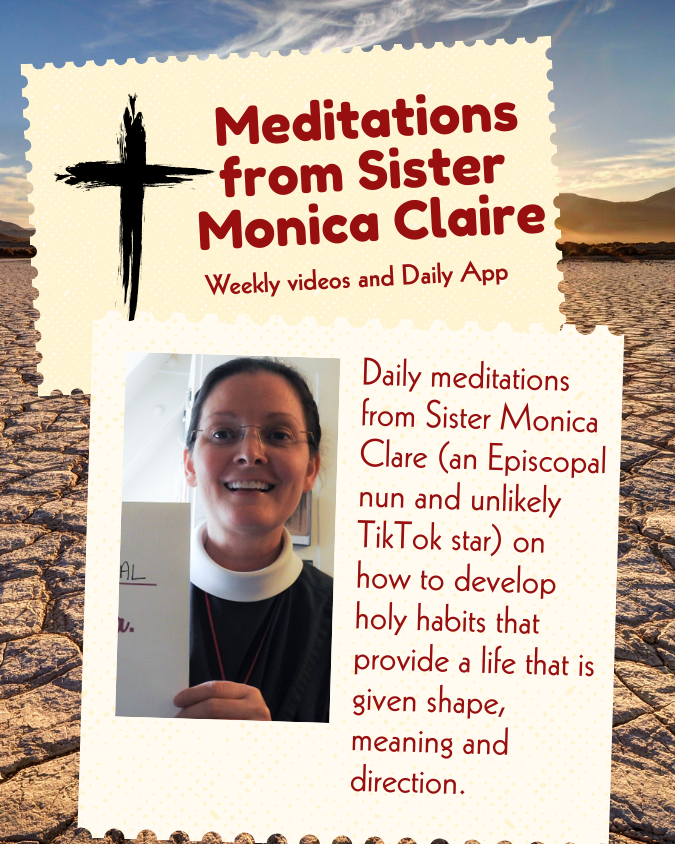
Meditations from Sister Monica Clare

These daily Lenten meditations come straight to your inbox from Sister Monica Clare, an unlikely tik tok star and Episcopal nun. These meditations will inspire you to build “Holy Habits” as you reflect on the themes of lent. (Free)

Pub Theology as an opportunity to explore

We’ve been hosting a variation of pub theology (or Spiritualitea or Divine Discourse or now Soup for Thought) in Toronto for several years now (and several more before that at Michigan State). It’s an opportunity for people to talk about how faith and spirituality interact with current events and topics of interest (e.g., sexuality, racism, politics, technology, etc.). Pub theology is a place to learn how to listen to each other and make space for people who see the world differently from me. Its intent is not to convince people of the Christian position but instead to facilitate people learning from each other, being both encouraged and challenged that there is more than one way that Christians (and others) have approached difficult topics. 

Pub theology has also been a place where people who are exploring Christianity can join us, and we’ve been delighted by how God has brought different people from different backgrounds to our conversations. People are free both to lament negative encounters with Christians and to ask pointed questions about what believing in God looks like. It is meant also to be a safe place to have one’s own views about Christianity and the Bible be refined.

Bryan Berghoef, who originally started pub theology, wrote an article about how pub theology might seem like a waste of time. After all, what real good does sitting in pub talking to other people really do? But Berghoef suggests that:

“One might be tempted to ignore or skip such a practice [of pub theology] in favor of ‘doing more’. But when I skip it, I miss out. I miss out on learning from people with experiences and perspectives that are vastly different from my own. I miss out on constructive dialogue on issues we all face together. When I am tempted to abandon the practice, I remember that for some folks, this is a first step toward re-engaging their spiritual side, or their first chance to speak honestly about their doubts, and is perhaps their only opportunity for deep, constructive dialogue and reflective thinking. . .

So is pub theology just talk? Yes. And no. It is deep relationships. It is barriers coming down. It is stereotypes being proven wrong. It is new friendships occurring. It is lines being crossed. It is deep thinking about the issues we all face as humanity, being discussed from varying perspectives. It is a movement to deeper understanding, where new possibilities are opened up.

”Bryan Berghoef, “Pub Theology is a Waste of Time.” (January 2014)

originally posted as Pub Theology as an opportunity to explore | Campus Edge Graduate Christian Fellowship